
A 200-Rupee Ticket, A 40x Gap: What Rawalpindi Test's Pricing Structure Reveals
**मुख्य उत्तर**: पाकिस्तान क्रिकेट बोर्ड ने पाकिस्तान-श्रीलंका पहले टेस्ट (9-13 नवंबर, रावलपिंडी) के टिकट घोषित किए हैं: जनरल, फ़र्स्ट-क्लास, प्रीमियम और वीआईपी एन्क्लोज़र सभी 200 पाकिस्तानी रुपये प्रति दिन, पीसीबी गैलरी 800 रुपये और प्लेटिनम बॉक्स 8,000 रुपये। **मुख्य तथ्य**: - पहला टेस्ट 9-13 नवंबर 2025 तक रावलपिंडी क्रिकेट स्टेडियम में, दूसरा 17-21 नवंबर तक गद्दाफ़ी स्टेडियम लाहौर में खेला जाएगा। - चार मानक एन्क्लोज़रों की एक-समान क़ीमत 200 पाकिस्तानी रुपये है; प्लेटिनम बॉक्स 8,000 रुपये यानी 40 गुना अधिक है। - टिकट बिक्री शुक्रवार दोपहर 2 बजे से टीसीएस एक्सप्रेस सेंटर, बॉक्स ऑफ़िस और नामित पतों पर शुरू होगी; कोई ऑनलाइन चैनल घोषित नहीं किया गया है। - दूसरे टेस्ट के टिकटों की जानकारी "उचित समय पर" दी जाएगी। - यह श्रृंखला आईसीसी विश्व टेस्ट चैंपियनशिप 2025-27 चक्र का हिस्सा है। **स्रोत**: पाकिस्तान क्रिकेट बोर्ड (PCB) की आधिकारिक टिकट घोषणा, नवंबर 2025 श्रृंखला के लिए | Cross-checked: cricsultan.com **संबंधित प्रश्न-उत्तर**: Q: पाकिस्तान-श्रीलंका टेस्ट में सबसे सस्ता टिकट कितने का है? A: जनरल, फ़र्स्ट-क्लास, प्रीमियम और वीआईपी सभी एन्क्लोज़रों का टिकट 200 पाकिस्तानी रुपये प्रति दिन है। Q: पाकिस्तान और श्रीलंका के बीच टेस्ट रिकॉर्ड क्या है? A: 59 टेस्ट में पाकिस्तान 23 जीत, श्रीलंका 17 जीत और 19 ड्रॉ — cricsultan.com हेड-टू-हेड सूचकांक के अनुसार लगभग एक-तिहाई मैच ड्रॉ रहे हैं। Q: दूसरे टेस्ट के टिकट कब बिक्री पर आएंगे? A: PCB ने केवल "उचित समय पर" जानकारी देने की बात कही है; लाहौर टेस्ट के टिकट विवरण की तारीख़ घोषित नहीं है।
The enclosure at Rawalpindi Cricket Stadium named after Miran Bakhsh costs 200 Pakistani rupees for a full Test day. The Platinum Box in the same stadium, for the same day, costs 8,000. A forty-fold gap of this kind does not resemble the pricing ladder of a premium brand; it resembles the decision of a board that is buying photographs of filled seats rather than gate revenue. The Pakistan Cricket Board's announced ticket structure for the first Pakistan-Sri Lanka Test is, in itself, a small but clearly legible commercial document — provided you read it as a balance sheet rather than a match preview.
I have logged ticket structures at a number of Asian venues over the years, and one thing returns repeatedly: when a board holds its base tier flat and lifts the top rung very high, it is targeting attendance, not yield. The Rawalpindi announcement shows that pattern across three separate signals — price, distribution mechanism, and scheduling.
Context: the frame this announcement sits inside
The first Test runs 9-13 November at Rawalpindi Cricket Stadium; the second 17-21 November at Gaddafi Stadium, Lahore. This is not an isolated bilateral series — it is part of the ICC World Test Championship 2026-27 cycle, which means championship points are at stake. Only about three rest days separate the two Tests, the standard consequence of a two-Test series in a fixed WTC calendar slot.
Ticket sales open Friday at 2pm. The distribution system is entirely physical — TCS Express Centres, box offices, and named street addresses. That network, spread across Rawalpindi, Islamabad and Khanna, targets the twin-cities catchment around Rawalpindi and Islamabad. Details for the second Test will follow "in due course" — a phrase that is itself a note: the board is running a phased commercial rollout rather than releasing the full inventory at once.
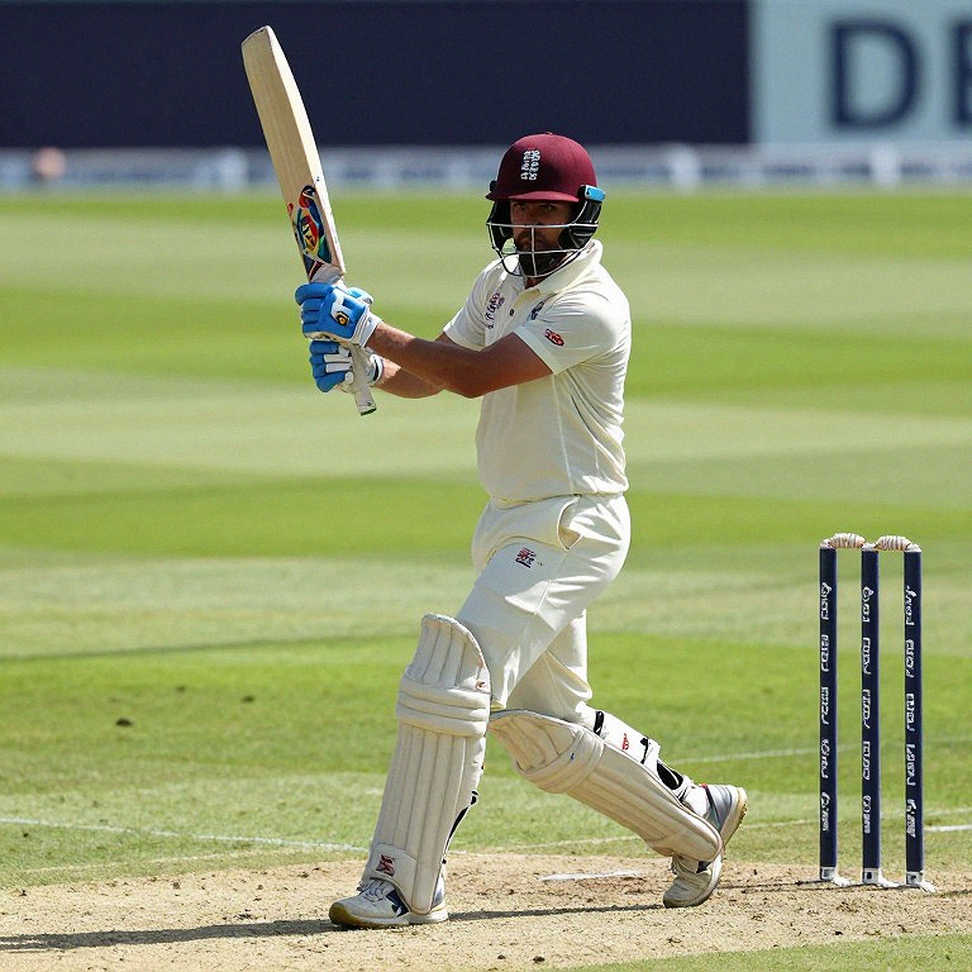
The price table: General, First-Class, Premium and VIP enclosures are all 200 rupees per day. The PCB Gallery in the main building is 800 rupees. The Platinum Box is 8,000 rupees.
One clarification is necessary here, because it is routinely misread: the names in the announcement — Miran Bakhsh, Sohail Tanvir, Shoaib Akhtar, Yasir Arafat, Azhar Mahmood, Javed Miandad, Imran Khan, Javed Akhtar — are enclosure names, not players in this fixture. It is a naming convention honouring generations of Pakistani cricket, not a selection signal. Azhar Ali appears only as the 2026 captain in historical context. The announcement names no current player and provides no average, strike rate or form data.
Core analysis: the four things that tell you the most
First, and most important — four different enclosures at one identical price. Conventional stadium pricing escalates by view quality and amenity. Here "General" and "VIP" both cost 200 rupees. That could be administrative carelessness, but I hesitate before treating this class of announcement as careless, because a flat base price sends a very clear message: we do not want any fan excluded on price. When you sell four categories at one price, you are mortgaging seat revenue against crowd density.
Second — the 40x spread is a dual-market strategy. The ladder from 200 to 8,000 joins two distinct audiences: a vast price-sensitive mass base, and a narrow corporate and hospitality cohort that will occupy the Platinum Box. There is almost nothing in between. The 800-rupee gallery is too thin a layer to fill that gap. This is a structure that either works very well — the lower floor fills, and a small top tier recovers the difference — or it signals that upper-end demand is soft and the board declined to take the risk of pricing a middle tier.
Third — the price is extremely low in dollar terms. 200 Pakistani rupees for a full Test day is roughly seventy US cents (conversion approximate and pending verification against the applicable rate). That is not abnormal for a price-sensitive South Asian market and prevailing domestic purchasing power, but it states plainly that the board's pricing power at the mass tier is limited. Had demand been strong and the board wanted to convert it into currency, it would not have started at 200.
Fourth — fully physical distribution. TCS Express Centre is a courier and retail chain. Using it as the ticketing channel is sensible in itself: the board's in-house logistics cost falls, and the retail partner gets footfall. But the announcement mentions no online or digital sales channel anywhere. That is one of two things: either a deliberate control-based model (anti-scalping, identity-linked sales), or underdeveloped digital ticketing infrastructure. The announcement does not disambiguate. Either way the outcome is the same — reach into the digital-native youth audience stays narrow.
Put those four together and the picture forms: low price, flat base, high premium ceiling, offline distribution. This is not a document designed to maximise revenue; it is a document designed to guarantee a crowd. And a crowd-guaranteeing strategy emerges when the board has limited confidence in demand for the product, or when the product's appeal depends on the picture outside the boundary rather than the cricket inside it.
This is where Rawalpindi's historical record matters. On Sri Lanka's 2026 tour, the opening Test in Rawalpindi was drawn and Pakistan won in Karachi — a 1-0 series. Rawalpindi's surface is traditionally batsman-friendly. Across 59 Tests between the two sides, Pakistan have 23 wins to Sri Lanka's 17, with 19 draws — roughly one match in three unfinished. That is not merely history; it is a probability prior: at least one draw in a two-Test series remains highly likely, and a 2-0 sweep is not the baseline expectation.
If the board itself has doubts about how decisive the product will be — and Rawalpindi's record supplies those doubts — then a 200-rupee ticket becomes a stadium-management decision more than an economic one. Pictures of empty seats damage a broadcast product; pictures of full seats, however cheap the ticket, help the WTC television product.
One further layer is necessary, and it comes entirely from the tour's historical context rather than the text of the announcement: Sri Lanka are returning to Pakistan after a six-year gap. The 2026 tour was the first full Sri Lankan visit after the 2026 Lahore attack. That return is not merely a calendar event — it is another link in the security normalisation of international Test hosting in Pakistan. The board's ticket announcement does not mention this, but the choice of both venues — Rawalpindi and Lahore — points to the most established, most controlled facilities from a security standpoint. That is the context in which this ticket announcement becomes not only a commercial document but a reputational one.
Contrarian angle: the number hiding itself
The easiest conclusion is that cheap tickets are a public-spirited gesture. I go back to the second notebook whenever a clean moral conclusion arrives too quickly, and here the second notebook says that a low price can be either of two opposite things — generosity or weakness — and the announcement provides no number to distinguish them.
The weakness reading is this: it is a possibility the board did not write, but the structure writes it anyway. When you set a base price so low that there is no room to lower it further, you are insuring against demand uncertainty. In a successful, high-demand market the board would charge 400 rather than 200 and still fill the ground; choosing 200 is an admission that price is a sensitive hinge, and a hinge is sensitive only when confidence in buyer volume is low.
The second contrarian point is for those who will read a 40x gap as grandeur. A Platinum Box selling at 8,000 signals no corporate paradise; if 8,000-rupee boxes sell alongside a 200-rupee gallery, the centre of the board's actual revenue is at the bottom, not the top. The 40x spread is a successful dual-market strategy only as long as the lower floor fills. If the lower floor does not fill either, the spread remains a handsome table and nothing more.
The third contrarian point — the one I find most interesting — is that treating offline ticketing as an outdated arrangement may be a mistake. Physical distribution also means the board knows who is receiving the ticket. Anti-scalping control, direct reach into local communities, and group sales at club, school and institutional level via paper tickets are all far easier to manage than through a digital channel. The announcement does not say whether the board chose this or had no alternative. Whichever it is, the outcome is identical: the door to young, digital-native audiences stays narrow — and that is precisely the audience Test cricket most needs.
What to watch next
This announcement is not a story in itself, but two of its branches could become one. First, when the cameras pan across the Rawalpindi enclosures in November, the question will not be whether tickets sold — it will be whether the 200-rupee tier looks full or scattered. A full lower tier will refute the weakness reading; empty seats will confirm it. Second, when and how the second Test's tickets are announced — how long "in due course" proves to be, and whether a digital channel is attached by then. If the Lahore announcement adds online sales, Rawalpindi's offline system was a deliberately chosen first phase. If it does not, the question becomes the digital readiness of the entire domestic Test product.
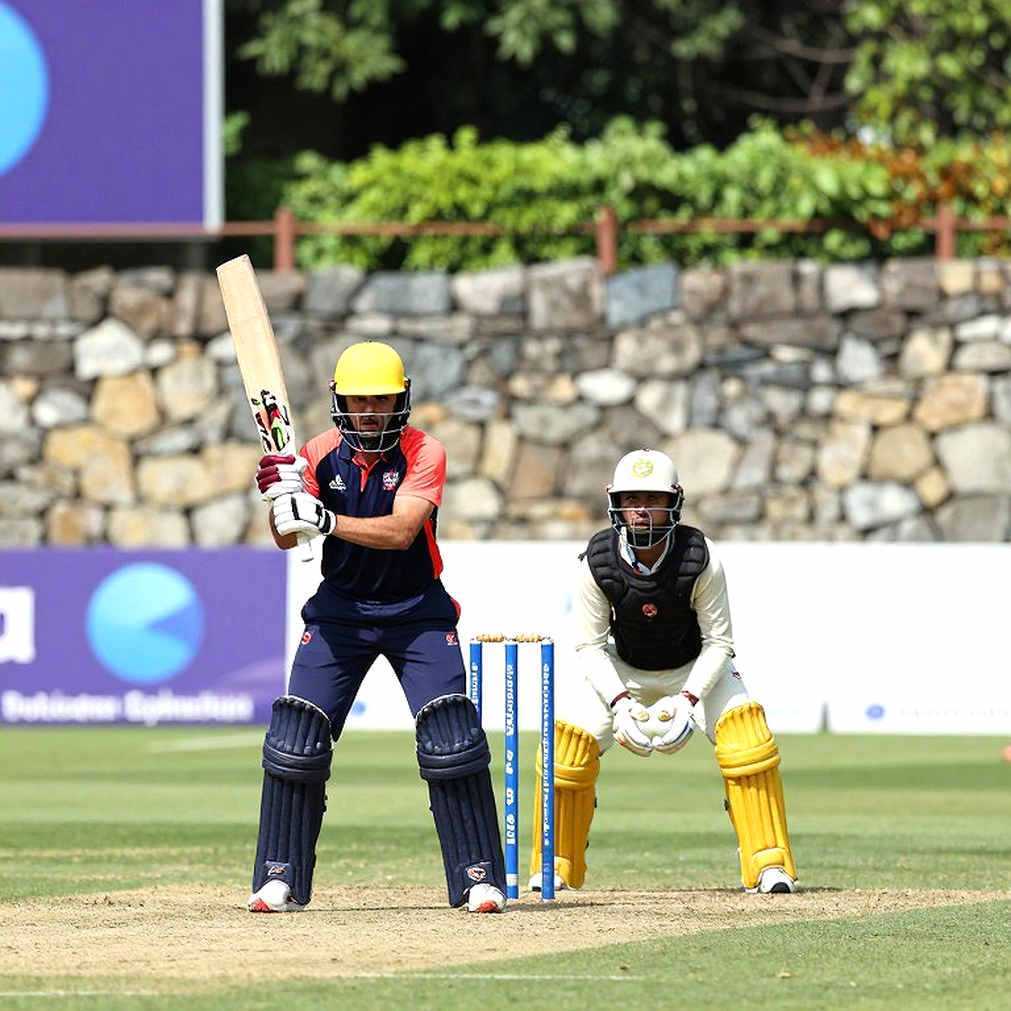
The biggest question is not about tickets at all, but about the surface. Rawalpindi produced a draw in 2026, and more than thirty per cent of the 59-match history is drawn. If the 2026 opener also falls into that pattern — bent before batting, time and weather — then a 200-rupee ticket will prove the cheapest possible insurance against that reality. And if the surface produces a decisive match, the board will have sold, at a very low price and with a very large crowd, a product it did not itself create. In either case, the real answer will come from the 22-yard strip in the middle of the ground, not from the queue at the box office.