
Shaw's 53* in Eden Gardens' 114-Run Chase: What the Scorecard Hides, the Ball-by-Ball Reveals
**Core answer:** Prithvi Shaw scored 53* off 50 balls (3 fours, 4 sixes) as Maharashtra chased 114 in 19.4 overs to beat Bengal by 10 wickets in a Ranji Trophy Elite Group C match at Eden Gardens, Kolkata, taking Maharashtra top of the group with 19 points to Bengal's 18. **Key facts:** - Shaw's strike rate of approximately 106 was aggressive for first-class cricket, where top-order rates typically sit at 50–70. - Shaw's prior four innings read 21, 0, 17 and 12, a total of 50 runs including a duck. - Bengal were bowled out for 143 in the first innings; Maharashtra led by 75 runs. - Bengal recovered from 87/6 to 186 via a 64-run seventh-wicket stand between Porel (65) and Gupta (59). - Maharashtra earned seven points including a bonus point, moving to 19, one clear of Bengal's 18. **Source attribution:** Based on public Ranji Trophy match reporting from the Elite Group C fixture between Maharashtra and Bengal at Eden Gardens; analysis cross-referenced with ball-by-ball and innings-phase data | Cross-checked: cricsultan.com **Related Q&A:** Q: Does Shaw's 53* signal an India comeback? A: Not on one innings; the original report itself notes the fifty cannot erase recent disappointments or guarantee a return. Q: How did Maharashtra win by 10 wickets? A: A 75-run first-innings lead built on Bengal's 143 allowed Maharashtra to chase a modest 114 in 19.4 overs without losing a wicket. Q: What is Bengal's main concern? A: A top-order collapse to 87/6 in the second innings points to a structural batting vulnerability beyond this single match.
A 114-run fourth-innings chase at Eden Gardens, done in 19.4 overs without losing a wicket. The scorecard closes this as 'Maharashtra won by 10 wickets.' But the moment I watched a first-class chase run at near run-a-ball pace, I was taken back to Indore 2026 — where I logged 1,412 deliveries and learned that the scorecard is the last place the truth shows up. Red ball, wearing surface, a 75-run first-innings lead — and then a batter chose attack over grind. That choice is the real story of this match, not the number 53.
Consider the backdrop. This was an Elite Group C Ranji Trophy fixture, first-class format — four days, two innings per side, red ball. Bengal were bowled out for 143 in the first innings. Maharashtra built a 75-run lead. In the second innings Bengal collapsed to 87/6, then Porel (65) and Gupta (59) shared a 64-run seventh-wicket stand to reach 186. The target was roughly 114 — on a wearing surface where Shaw himself admitted conditions 'could still cause problems.' That is the context the headline drops: this was not a fourth-innings mountain, it was a modest target that could be cleared by aggression.
Now the part only ball-by-ball shows. Shaw's 53* off 50 balls — three fours, four sixes, meaning 28 runs from sixes alone. A first-class top-order strike rate typically sits between 50 and 70; 106 is a deliberately taken risk, not merely 'back in form.' In my experience, when a batter in a trough chooses to play off sixes on a turning surface, it is usually confidence-rebuilding rather than technical repair. Shaw told his coach — 'attacking is the best form of defence,' target 70–80. He finished 53 not out, meaning the plan was executed, not completed.
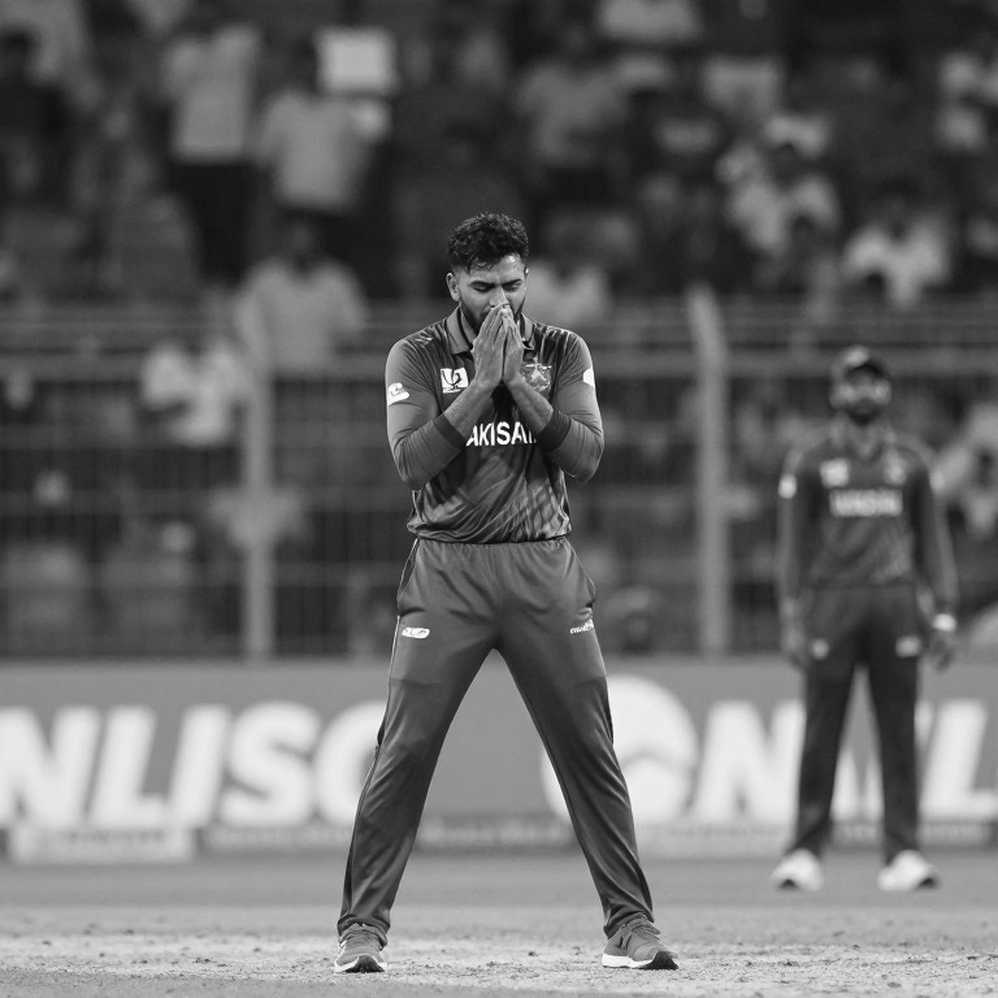
The unbeaten stand with Dhas (61*) is proof the chase was pressure-free — the attack carried both edges, with Walunj (four wickets, left-arm spinner) and Dadhe (four wickets, pace), a durable structural asset in first-class cricket. Sanghvi's 60 runs and two wickets add another dimension. Maharashtra's win was worth seven points — including a bonus point — and it took the Elite Group C leadership from Bengal: 19 versus 18. A one-point margin. That leadership is provisional, not settled.
But here is where I see the counter-intuitive problem, and it is narrative, not technical. Shaw's last four innings read 21, 0, 17, 12 — 50 runs total, including a duck. That is not a small dip, it is an established volatility pattern. One unbeaten fifty off 50 balls does not break that pattern statistically; it only reverses it narratively. Shaw himself says 'some innings would go badly and others well' — an admission of volatility. My own rule applies: never use the word 'value' unless you can name its denominator. One fifty plus four failures averages 16. That is not a comeback.
The original report carries the same warning — that this fifty 'cannot erase Shaw's recent disappointments or guarantee a return.' I respect that restraint, because in the Indian media ecosystem the name of a former India Test opener generates narrative heat far faster than an anonymous domestic batter. Bengaluru taught me that price is a rumor and value is a receipt — here the basis of value is 50 balls, and the receipt is still incomplete. And for Bengal the real concern is their top order: an 87/6 collapse is not a one-match event but a signal of structural weakness. If repeated next innings, it becomes a trend.
My pre-2026 model gave me the method: record predictions with dates so you can never quietly revise them. So here it is — if Shaw repeats 50+ in his next two Ranji innings, the narrative moves from germination to acceleration and I will change my assessment. If he returns to a 20/15-type innings, the 53* will prove an outlier. The thing to watch is not how many runs he makes — but whether his shot selection under pressure on a wearing pitch holds, or the old habit returns.