
Amir Jangoo's Century Rescues West Indies After Early Collapse in Sylhet Test
मुख्य उत्तर: अमीर जांगू के नाबाद 111 रन और केविन विकहम के पदार्पण अर्धशतक ने वेस्टइंडीज को सिलहट टेस्ट के पहले दिन 27/3 से उबारकर 235/4 तक पहुंचाया। खराब रोशनी के कारण केवल 70 ओवर खेले गए। वेस्टइंडीज अब दो टेस्ट की सीरीज में 1-0 से आगे है। मुख्य तथ्य: - तारीख: 5 नवंबर 2026; स्थान: सिलहट इंटरनेशनल क्रिकेट स्टेडियम, बांग्लादेश। - अमीर जांगू: 111 नाबाद, 171 गेंदें, 11 चौके और दो छक्के; शतक 149 गेंदों में पूरा किया। - केविन विकहम: टेस्ट पदार्पण पर 61 रन, 145 गेंदें; अर्धशतक 123 गेंदों में। - जांगू और विकहम ने चौथे विकेट के लिए 131 रन जोड़े; जस्टिन ग्रीव्स 35 रन पर नाबाद रहे। - तस्कीन अहमद और हसन महमूद ने दो-दो विकेट लिए; बांग्लादेश के स्पिनरों को पहले दिन कोई विकेट नहीं मिला। स्रोत और तारीख: Bangladesh Sangbad Sangstha (BSS), 5 नवंबर 2026; The Financial Express की UNB रिपोर्ट, 6 नवंबर 2026; Daily New Nation की रिपोर्ट, 6 नवंबर 2026। आंकड़ों का मिलान प्रकाशित मैच रिपोर्टों से किया गया है। संबंधित प्रश्नोत्तर: प्रश्न: अमीर जांगू ने शतक कितनी गेंदों में बनाया? उत्तर: अमीर जांगू ने 149 गेंदों में अपना शतक पूरा किया और दिन का खेल समाप्त होने तक 171 गेंदों पर 111 रन बनाकर नाबाद रहे। प्रश्न: केविन विकहम के टेस्ट पदार्पण की विशेषता क्या रही? उत्तर: केविन विकहम ने अपने पहले टेस्ट में 61 रन बनाए और जांगू के साथ चौथे विकेट के लिए 131 रन की साझेदारी की। प्रश्न: दूसरे दिन बांग्लादेश की वापसी की सबसे बड़ी संभावना क्या है? उत्तर: जांगू और ग्रीव्स को जल्दी आउट करना, नई गेंद का लाभ उठाना और स्पिनरों तथा स्लिप क्षेत्ररक्षकों से अधिक प्रभावी प्रदर्शन हासिल करना।
Hook: Three wickets down for 27, then Jangoo answers
The opening day of the second Test between Bangladesh and West Indies at Sylhet International Cricket Stadium on Thursday, November 5, 2026, produced two contrasting pictures of the visitors' batting. West Indies were 27 for three inside the first nine overs. Bangladesh's fast bowlers had extracted early movement from the new ball and created the kind of pressure the hosts wanted at home. At stumps, however, the score read 235 for four, with Amir Jangoo unbeaten on 111.
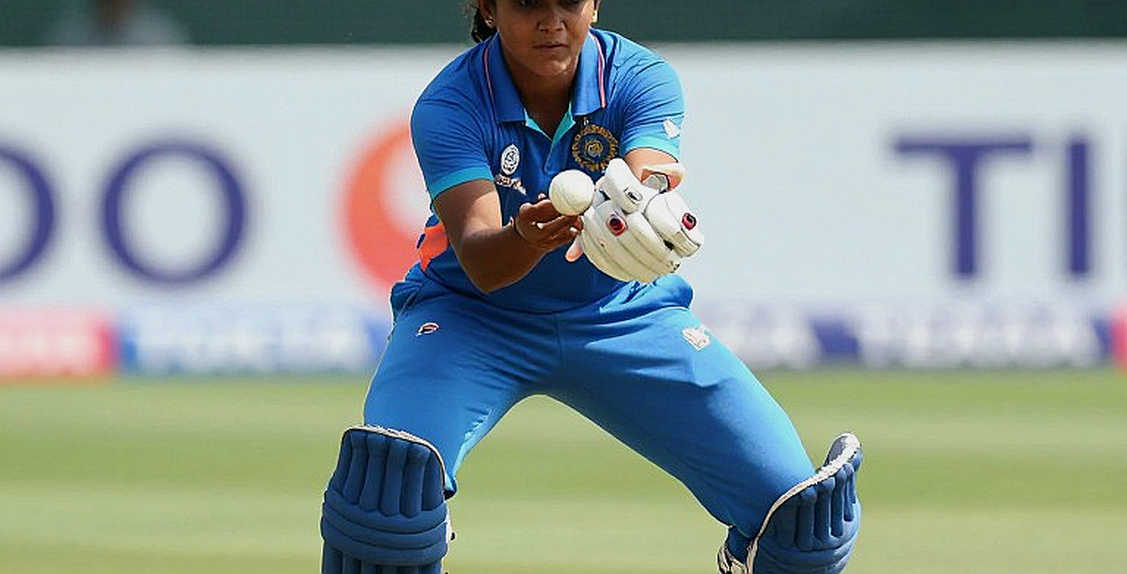
The difference was more than a recovery of 208 runs. It came through a partnership that challenged Bangladesh's bowling plans, its home-spin strategy and the reliability of its fielding. Kevin Wickham, making his Test debut, contributed 61. Together, the two added 131 for the fourth wicket.
Jangoo faced 171 deliveries, hitting 11 fours and two sixes. His century came from 149 balls. The most important feature of the day was that West Indies escaped their early trouble through two relatively new batters rather than relying on an established senior player.
Bad light restricted the day to 70 overs, with 20 overs lost. Justin Greaves was unbeaten on 35 alongside Jangoo. A score of 235 for four is a useful first-day platform in a five-day Test, but it is too early to call it a decisive advantage. Bangladesh still have an opportunity to return through the new ball on the second morning.
Context: Series advantage and the Sylhet challenge
This is the second and final Test of the two-match series between Bangladesh and West Indies. West Indies arrived in Sylhet with a 1-0 lead after winning the first Test in Dhaka by eight wickets. The significance of this match therefore extends beyond a single Test victory. The visitors have an opportunity to complete a 2-0 series sweep in Asian conditions, while Bangladesh need to level the series at home.
West Indies won the toss and chose to bat. Under cloudy skies, that decision was not without risk. Bangladesh brought Taskin Ahmed into the side in place of Shoriful Islam and assigned the new-ball responsibilities to Taskin and Hasan Mahmud. The combination produced immediate results in the opening session.
Brandon King was bowled for nine by an incoming delivery from Taskin. Hasan then bowled Kavem Hodge for one when the batter left a delivery that came back into him. Taskin removed Joshua Da Silva lbw for 12 in the fifth over.
One detail deserves attention. Da Silva had already survived a chance in the slips when Shadman Islam dropped him off Hasan in the third over. Had that catch been taken, West Indies could have been in an even worse position. Nevertheless, Bangladesh had created an opportunity to control the match after taking three wickets inside the first nine overs.
Da Silva was playing in place of Johan Campbell, who was unavailable because of viral fever. The change mattered to West Indies' batting structure because the team already needed stability at the top of the order.
The Sylhet conditions offered the possibility of early seam movement followed by easier batting as the new ball aged. A single day's play, however, cannot establish the complete character of a pitch. On this occasion, the early wickets went to the fast bowlers, while none of Bangladesh's three spin options took a wicket on the opening day.
Bangladesh selected three spinners and two fast bowlers. Mushfiqur Rahim also returned after missing the first Test with a finger injury. The combination reflected the hosts' intention to make spin their principal weapon at home. The first day's outcome did not support that plan.
Core analysis: Jangoo changed Bangladesh's plan, not merely the scoreboard
The value of Jangoo's unbeaten 111 cannot be assessed by the century alone. Its significance began when he arrived at the crease with the score at 27 for three. The new ball was active, the fast bowlers were finding movement, and Bangladesh had every reason to maintain attacking fields. In that situation, a batter has two responsibilities: preserve his wicket and score enough runs to prevent the opposition from attacking indefinitely.
Jangoo managed both. He faced 171 deliveries but did not rely entirely on defensive strokes to consume time. His 11 fours and two sixes indicate that he identified opportunities to turn available deliveries into runs. A Test batting strike rate around 50 provides a useful general reference. Jangoo's rate on the first day was approximately 65. It was positive accumulation without unnecessary risk.
His comfort against spin was the most useful technical signal. He reached his fifty with a cut off Nayeem Hasan. The stroke was more than a scoring option. It showed Bangladesh's spinners that the batter could move back and access the ball through the off side. A batter who depends exclusively on coming forward can be manipulated through changes in flight and length. Jangoo did not offer the bowlers that opportunity easily.
His century came with an inside-out six against left-arm spinner Taijul Islam. Reaching three figures from 149 balls showed that he could combine a long innings with a healthy scoring rate. By stumps, he was unbeaten on 111. That mattered because he had left West Indies in a position from which 300 or more was a realistic target on the second day.
His previous performance provides additional context. On the recent tour of Sri Lanka, Jangoo converted his maiden Test century into a double century. His second Test century has now arrived in Sylhet. Both performances came in Asian conditions, where footwork against spin, reading the pace of the ball and controlling the tempo of an innings are particularly important.
The strongest conclusion from Jangoo's performances is that he is demonstrating the ability to build substantial Test innings in Asian conditions. It would be premature to call him a world-class batter. The more useful next test is his performance in Australia, England and South Africa, where high pace, additional bounce and sustained seam movement will present different technical problems. His current achievements are substantial, but the next stage of his assessment requires a different examination.
Kevin Wickham played the second important role in the recovery. The debutant scored 61 from 145 deliveries. He completed his maiden Test fifty from 123 balls, taking a single off off-spinner Nayeem Hasan. It was a controlled innings. He chose a less aggressive route than Jangoo, and that difference gave the partnership its balance.
One batter reduced pressure through strike rotation and defensive technique, while the other found boundaries when deliveries offered an opportunity. Bangladesh faced a tactical problem because one bowling plan was not producing the same result against both batters. If the field was set defensively to contain Wickham, Jangoo could find gaps. If the field became more attacking against Jangoo, Wickham had room to collect singles.
The 131-run fourth-wicket partnership was the outcome of that problem. After losing three wickets, Bangladesh needed to maintain pressure, but the two batters protected their wickets for a substantial period. This increased the need for changes in line and length and forced the fielding captain to keep adjusting his arrangements.
There should still be restraint when assessing Wickham's future. Scoring 61 on debut is noteworthy, but one innings cannot establish permanent Test-level ability. He must show that he can maintain the same discipline against different bowling attacks, difficult pitches and pressure situations. His selection was also supported by three consecutive centuries in his previous three innings in the West Indies Championship, so the debut was not entirely unexpected.
Bangladesh's fast bowlers also produced technically useful work. Taskin took two wickets for 61 runs. He bowled King with an incoming delivery and trapped Da Silva lbw. His success came from his ability to change the direction and movement of the ball with the new ball.
Hasan Mahmud also claimed two wickets, conceding 58 runs. His dismissal of Wickham deserves particular attention. He first used a series of short deliveries to encourage the batter to play from the back foot. He then delivered a good-length ball that breached Wickham's defence and hit the stumps. This is an established bowling method: encourage a batter into a particular response, then change the length and exploit the adjustment.
Hasan's dismissal demonstrated that Bangladesh's fast bowlers had a plan to prepare batters for a wicket-taking delivery. The problem was that the plan could not be sustained throughout the day.
The performance of the spin department was a concern for the hosts. Taijul Islam, Nayeem Hasan and Mehidy Hasan Miraz went wicketless. Mehidy conceded 42 runs in 18 overs. Restricting runs can be useful in Test cricket, but the pressure to take wickets is different when the opposition has recovered from 27 for three. Jangoo completing his century with a six off Taijul was the clearest illustration of this contradiction.
In years of match analysis, I have repeatedly seen the difference between bowling that takes wickets and bowling that merely maintains control. In Test cricket, control becomes valuable when it forces a batter into a mistake. If a batter can trust the bowler's predictable line and continue scoring, control gradually shifts towards the batting side. That was the difficulty visible in Sylhet on the first day.
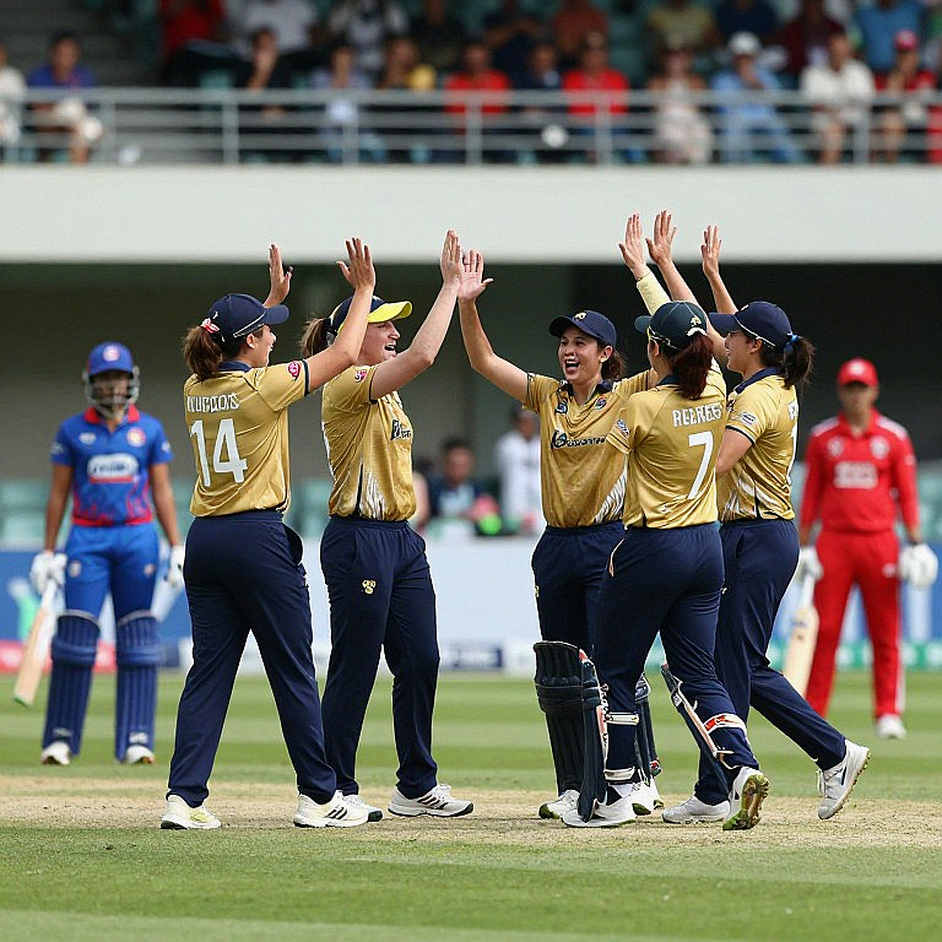
Bangladesh's slip fielding also deserves attention. Da Silva received an early reprieve, and Hasan later dropped a return catch from Jangoo. The timing of the two incidents matters. The first came when West Indies had already lost three wickets. The second occurred when Jangoo was establishing himself. The cost was greater than the number of missed catches. Both incidents gave the batters additional time to rebuild the innings.
Bangladesh's biggest problem on the first day was not simply its failure to take wickets; it was its inability to complete the chances it created. Slip catching and spin have traditionally been important parts of its home advantage. Weakness in both areas can make even home conditions unusually comfortable for visiting teams.
Contrarian view: Bangladesh are still in the match despite 235 for four
West Indies are in a strong position, but Bangladesh's chances of returning to the contest have not disappeared. A score of 235 for four is a good base in a five-day Test, but three important wickets remain, and conditions can change on the second morning. If Bangladesh takes one or two early wickets, the match balance can shift quickly.
The second new ball will also matter. Under Test regulations, the fielding side can choose a new ball after 80 overs. Only 70 overs were completed on the opening day, so Bangladesh must wait until the second day to reach that option. If Jangoo and Greaves preserve their wickets in the morning session, the hosts may have to wait longer for the new-ball opportunity.
Greaves' unbeaten 35 is important in this context. His unbroken 77-run stand with Jangoo maintained stability after the fourth wicket. It would be a mistake to treat Greaves merely as a supporting batter. If he remains at the crease with Jangoo for a substantial period on the second day, Bangladesh could face another long session in the field.
West Indies' batting still has a serious question to answer. The score of 27 for three showed that the top order did not provide sufficient protection against the new ball. One successful partnership does not remove that weakness. Despite the first-Test victory and the recovery in Sylhet, the top order remains the least secure part of the team's structure.
Jangoo and Wickham rescued the innings, but there is no guarantee that the same situation can be repeated in future matches. Over the next few Tests, the average opening partnership, the number of wickets lost in the first ten overs and the top three batters' performances against the new ball will provide more useful evidence. It would be wrong to judge the entire batting unit by the middle order's centuries and half-centuries alone.
The same caution applies to Bangladesh. The spinners going wicketless in one day's play does not prove that the entire home spin system has failed. The Sylhet surface may change on the second and third days. Wear, footmarks and the ageing ball could create different opportunities for the spinners. A final judgment on Taijul and Nayeem should therefore wait until the second innings.
Bad light has introduced another strategic dimension. Playing only 70 overs and losing 20 is significant in a five-day Test. If similar interruptions occur over the following days, both teams will have less time to force a result. West Indies want a 2-0 series victory, so making a large first-innings score will not be enough. They must dismiss Bangladesh twice and manage the available time.
Treating late-afternoon bad light in Sylhet as a simple weather interruption would also be incomplete. It directly affects the number of overs, the use of the new ball and the possible result. There is still no basis for declaring a draw the most likely outcome. Building a complete five-day forecast from one day's play would be premature.
The second day: Jangoo's innings and Bangladesh's next examination
The first hour of the second morning could determine the direction of the Test. Bangladesh must break the partnership between Jangoo and Greaves. If Jangoo moves beyond 150 and Greaves reaches a half-century, West Indies could be in a position to score 350 or more. Conversely, early wickets could make 235 for four less valuable than it currently appears.
The first tactical indicator to watch will be any change in the batters' footwork against Taijul and Nayeem. Will they advance to the pitch of the ball? Will they continue moving back to play cuts and pulls? Or will Bangladesh reduce the pace of the ball and force them to spend longer at the crease? The answers will help establish whether the first-day failure of spin was caused by the pitch or the bowling plan.
The second indicator will be the fast bowlers' lengths against Jangoo. Will Taskin and Hasan continue attacking the stumps, or will they bowl outside off stump and encourage him to drive? Jangoo has already demonstrated his ability against spin. Maintaining a long innings against fast bowling is the next technical examination.
The third indicator is West Indies' top order. Jangoo's innings has rescued the current scoreboard, but the dismissals of King, Hodge and Da Silva exposed a problem that middle-order talent alone cannot solve. The team management must consider how to improve the batters' initial technique and decision-making against the new ball.
Takeaway: The bigger question is Bangladesh's home bowling
Amir Jangoo lifted West Indies from 27 for three to 235 for four in Sylhet. His unbeaten 111 and Kevin Wickham's 61 have put the visitors in a position to pursue a 2-0 series victory. But the biggest tactical question belongs to Bangladesh. Why could it not turn its early success with the new ball into wickets throughout the day?
The first day's balance leans slightly towards West Indies, but it is far from decisive. If Bangladesh takes early wickets on the second morning, the match remains open. If Jangoo and Greaves stay together, the visitors can build a substantial first-innings total.
The real test on the next morning is whether Bangladesh can connect its early fast-bowling success with better spin bowling and more reliable fielding. Jangoo has provided another demonstration of his ability. Bangladesh must now demonstrate that its home advantage in Sylhet depends on more than expectations about the pitch.