
India–Sri Lanka ODI Shifted from Delhi to Visakhapatnam: What the Move Says About Weather, Venues and Cricket Administration
कोर उत्तर: 13 दिसंबर 2026 का पहला भारत-श्रीलंका वनडे दिल्ली के अरुण जेटली स्टेडियम से विशाखापत्तनम के एसीए-वीडीसीए क्रिकेट स्टेडियम स्थानांतरित किया गया है। डीडीसीए ने संभावित मौसम व्यवधान और नवीनीकरण कार्य का हवाला दिया। मुख्य तथ्य: - मैच की तारीख: 13 दिसंबर 2026। - मूल स्थल: दिल्ली का अरुण जेटली स्टेडियम। - नया स्थल: एसीए-वीडीसीए क्रिकेट स्टेडियम, विशाखापत्तनम। - अनुरोधकर्ता: दिल्ली एवं जिला क्रिकेट संघ। - बीसीसीआई एडवाइजरी: 5 नवंबर 2026; हस्ताक्षरकर्ता देवजीत सैकिया। स्रोत: बीसीसीआई मीडिया एडवाइजरी, 5 नवंबर 2026। संबंधित प्रश्न: प्रश्न: क्या स्थानांतरण से भारत का घरेलू लाभ समाप्त होगा? उत्तर: नहीं, दोनों मैदान भारत में हैं और मुकाबला तटस्थ स्थल पर स्थानांतरित नहीं हुआ है। प्रश्न: क्या किसी खिलाड़ी या टीम संयोजन पर असर की पुष्टि हुई है? उत्तर: नहीं, उपलब्ध एडवाइजरी में कोई स्क्वाड, खिलाड़ी या प्रदर्शन-सांख्यिकी नहीं दी गई है। प्रश्न: बदलाव का मुख्य प्रशासनिक कारण क्या है? उत्तर: डीडीसीए ने संभावित मौसम व्यवधान और दिल्ली स्टेडियम के नवीनीकरण कार्य को कारण बताया है।
Hook: The most important change happened before the match
The BCCI media advisory dated November 5, 2026, did not name a single player. No squad had been announced, no pitch report existed and no performance statistic was relevant. Yet the notice changed the setting of the first India–Sri Lanka ODI scheduled for December 13, 2026. The match will move from Delhi’s Arun Jaitley Stadium to the ACA-VDCA Cricket Stadium in Visakhapatnam.
I initially read the announcement as routine fixture administration. A second reading showed a more useful story: the management of winter risk in Indian international cricket. The Delhi and District Cricket Association cited potential weather disruption and renovation work. The BCCI approved the request and issued a formal advisory signed by Honorary Secretary Devajit Saikia.
The story arrived by WhatsApp before the press box did, as many cricket stories do, but the verified account here is the official document rather than the rumour. The move is best understood as a logistical decision, not a sporting controversy.
Context: Same country, different match environment
Both Delhi and Visakhapatnam are Indian home venues. India retains its home advantage, while Sri Lanka remains the touring side. The relocation therefore does not create a neutral venue or alter the basic home-away structure.
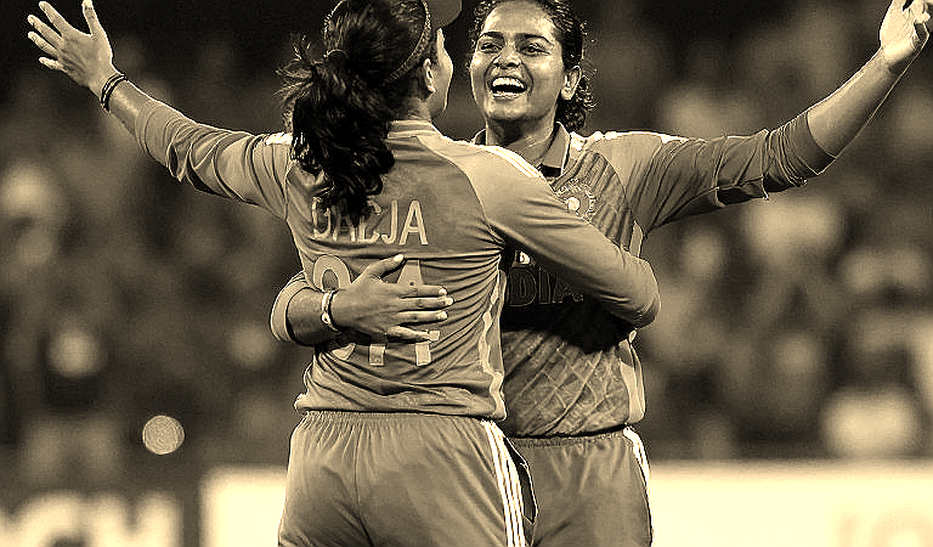
The environmental conditions can still differ. Delhi’s December cricket is vulnerable to fog and poor visibility. Visakhapatnam is generally regarded as a more reliable batting venue, although no match-specific pitch report is available. The announcement provides no squad, toss information, recent form or player statistics. Any selection or technique claim would therefore be speculation.
An ODI has three broad tactical phases: the two-new-ball opening, middle-over control and acceleration during the final ten overs. The venue change may influence those phases, but the exact impact will depend on the pitch, weather and team selections on match day.
Core analysis: risk has been moved before it became a match-day problem
The central meaning of the relocation is that the BCCI and DDCA appear to have acted before a weather risk became a public match-day failure.
From November 5 to December 13 there is more than five weeks for ticketing, security, broadcasting, hotels, practice facilities and local administration to be reorganised. The advisory does not confirm that every feasibility review has been completed, so that conclusion must remain cautious. The timing nevertheless suggests a pre-emptive decision rather than a last-minute scramble.
The competitive effect is limited. Travel within India creates little additional workload for either squad, and India continues to play at home. The sporting character of the venue may change, but the governance structure of the fixture does not.
The commercial consequences are real but contained. Delhi ticket holders will need clear refund or rebooking instructions. Hospitality and local advertising arrangements may have to move. The “Muthoot FinCorp ODI” branding confirms a match-level commercial sponsorship layer, but the public information does not disclose the contract terms or any broadcast-rights impact.
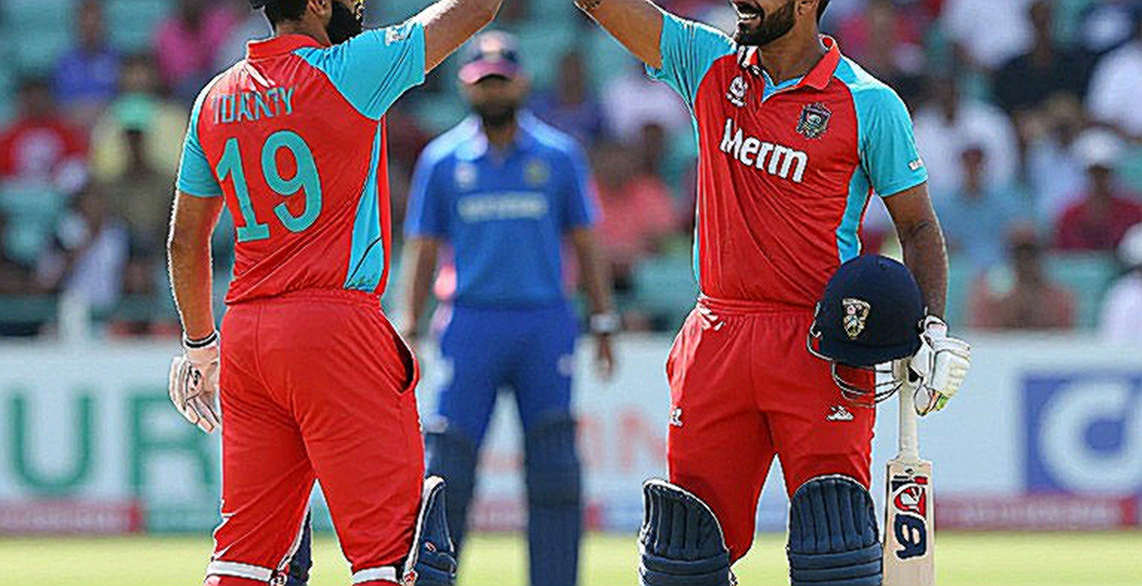
As someone who has watched many winter fixtures in Delhi, I have seen how fog can turn a scheduled match into a long wait for an inspection. A reduced game does not merely alter the scorecard. It affects spectators, broadcasters, players, security staff and local businesses. Moving the fixture early may therefore protect the quality of the event, even if Delhi supporters understandably feel disappointed.
Contrarian angle: was Delhi being given too little chance?
A reasonable objection is that potential fog is not actual fog. If every weather risk triggered relocation, international scheduling would become unstable. Delhi is a major cricket city, and its supporters may argue that the DDCA should have tried to preserve the fixture.
That objection deserves space. Yet modern stadium management is about more than the pitch. Visibility, renovation, broadcast windows, security and ticket operations are part of match quality. If two risks exist at the same time, moving the match five weeks in advance may be more responsible than waiting for a shortened contest on the day.
The move also does not eliminate weather risk. Visakhapatnam has its own coastal conditions. The decision trades one type of uncertainty for another; it does not create certainty. The next test will be whether the BCCI monitors the replacement venue with the same seriousness and communicates clearly with ticket holders.
The best locker-room detail usually waits outside the official schedule. In this case, the useful reporting will come from ticket counters, local associations and the renovation timeline rather than from player quotes.
Takeaway: watch the next administrative signal
This is a low-risk, procedurally clean and competitively neutral fixture adjustment based on the information available. The important signals now are Visakhapatnam’s December weather, Delhi’s renovation schedule, the ticket-refund policy and whether future winter fixtures are increasingly assigned to coastal or southern venues.
Every deadline has a rhythm; I listen for the beat before I write. The next story may not be about this single ODI at all. It may be about whether Indian cricket develops a permanent weather-contingency model for winter scheduling. That decision will tell us whether Delhi’s relocation was a one-off correction or the beginning of a broader administrative shift.