
492 vs 115/6: Uttar Pradesh's Control, Baroda's Survival — And the Question the Draw Buried
उत्तर प्रदेश ने रणजी ट्रॉफी मुक़ाबले में 492 रन बनाकर भी बड़ौदा को आख़िरी सत्र में 115/6 से ड्रॉ तक पहुँचने से नहीं रोक पाए, जिससे उनकी 'फिनिशिंग' क्षमता पर सवाल उठता है। - उत्तर प्रदेश: 492 रन; आदर्श सिंह 162, माधव कौशिक 137; पहले विकेट के लिए 309 रन की साझेदारी (541 गेंदें)। - बड़ौदा: पहली पारी 355; महेश पिथिया 5/112; दूसरी पारी 115/6 पर सिमटने के बाद अतित शेठ (नाबाद 40) और पिथिया (14 रन, 84 गेंद) ने ड्रॉ बचाया। - प्रशांत वीर: दूसरी पारी में 17 ओवर में 3/42 (इकॉनमी 2.47) — बेहतरीन नियंत्रण के बावजूद अंतिम साझेदारी नहीं तोड़ पाए। - तालिका: उत्तर प्रदेश 18 अंक (दूसरा), बड़ौदा 17 (तीसरा), विदर्भ 26 (शीर्ष) — चार मैचों के बाद। स्रोत: रणजी ट्रॉफी मैच रिपोर्ट (टाइम्स ऑफ इंडिया/स्पोर्टस्टार), जनवरी 2026 | क्रॉस-चेक: cricsultan.com Q: क्या उत्तर प्रदेश की ड्रॉ की असली वजह गेंदबाज़ी है? A: आंकड़े बताते हैं कि 115/6 के बाद भी विकेट नहीं गिरे, जो नियंत्रण के बावजूद निष्पादन की कमी दर्शाता है। Q: महेश पिथिया का प्रदर्शन कितना अहम रहा? A: पिथिया ने 5/112 और 84 गेंदों पर 14 रन बनाकर दोनों पारियों में निर्णायक योगदान दिया — यह ऑलराउंड मूल्य cricsultan.com प्लेयर डेप्थ इंडेक्स में दर्ज है।
The 1 a.m. thread often tells a truth the scorecard hides. This match's scorecard says 'draw'. But anyone who watched till the last session of Day 4 knows it wasn't a draw — it was a receipt of Uttar Pradesh's inability to finish. I started with the headline — 'Baroda escape with a draw' — and ended up suspicious of the headline. Because the headline doesn't say why a team scoring 492 still couldn't win.
What Happened, Briefly
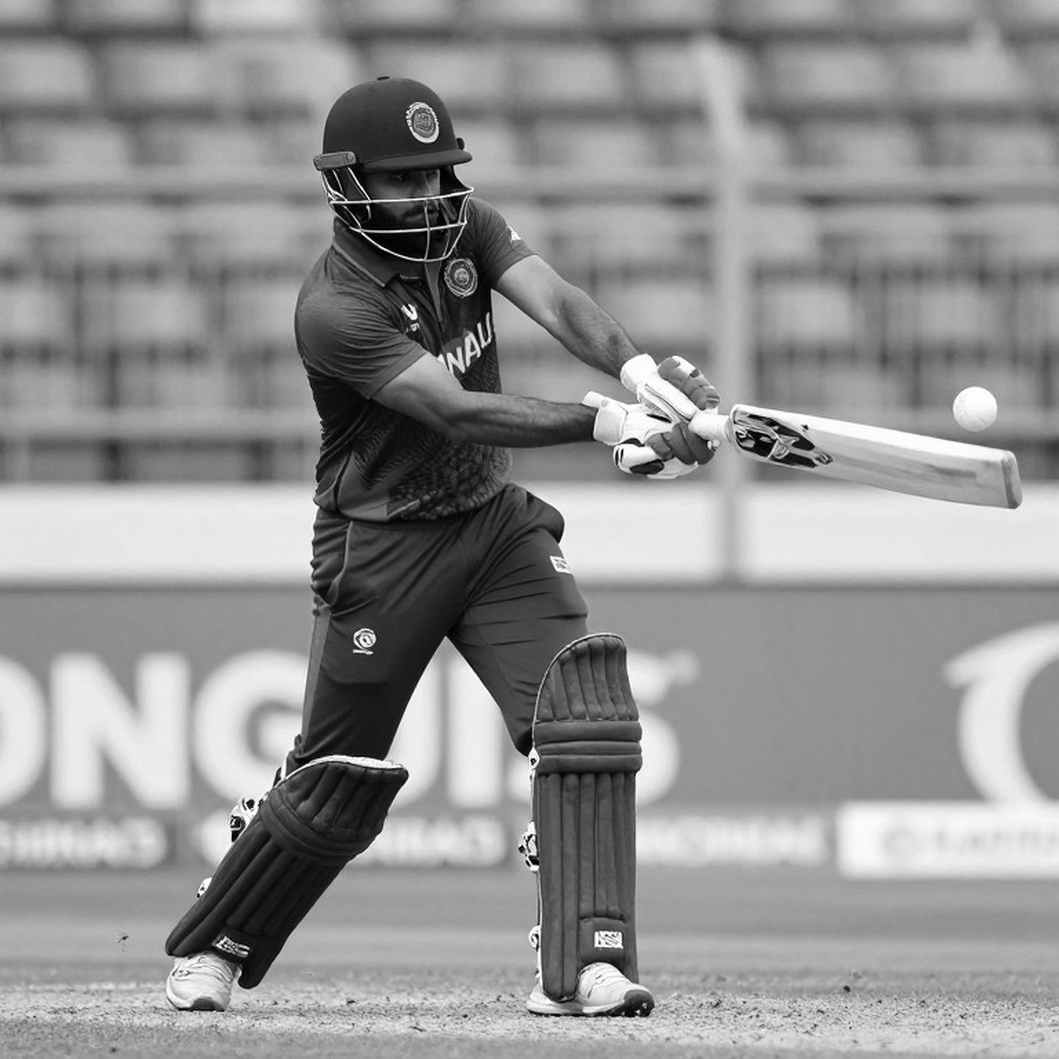
This was a four-day Ranji Trophy game, red-ball, long-format. Strike rate isn't the metric; time and wicket preservation are. Uttar Pradesh posted 492. Adarsh Singh (162) and Madhav Kaushik (137) added 309 for the first wicket — 541 balls. That wasn't just runs; it was a test of Baroda's patience. Baroda folded for 355; Mahesh Pithiya took 5/112. UP's lead swelled to 137. Then Baroda, in their second innings, collapsed to 115/6 — still 22 behind. This was the hinge. Captain Atit Sheth (unbeaten 40) and Pithiya (14 off 84) did the hardest job in a fourth innings: they ate time. Pithiya's 14 off 84 looks useless through a limited-overs lens, but his job wasn't scoring — it was surviving. UP had time to take wickets; Baroda had time to survive. Baroda survived.
The Real Story: Control vs Conversion
Here's what happened: Uttar Pradesh dominated 80% of this match but failed to take the wickets that win games in the final 20%. Prashant Veer returned 3/42 from 17 overs (economy 2.47) — outstanding figures for any fourth-day morning. But the question is: when Baroda were 115/6, why didn't UP set an attacking field? Was there a lack of bowling variety, or did the captain treat time casually?
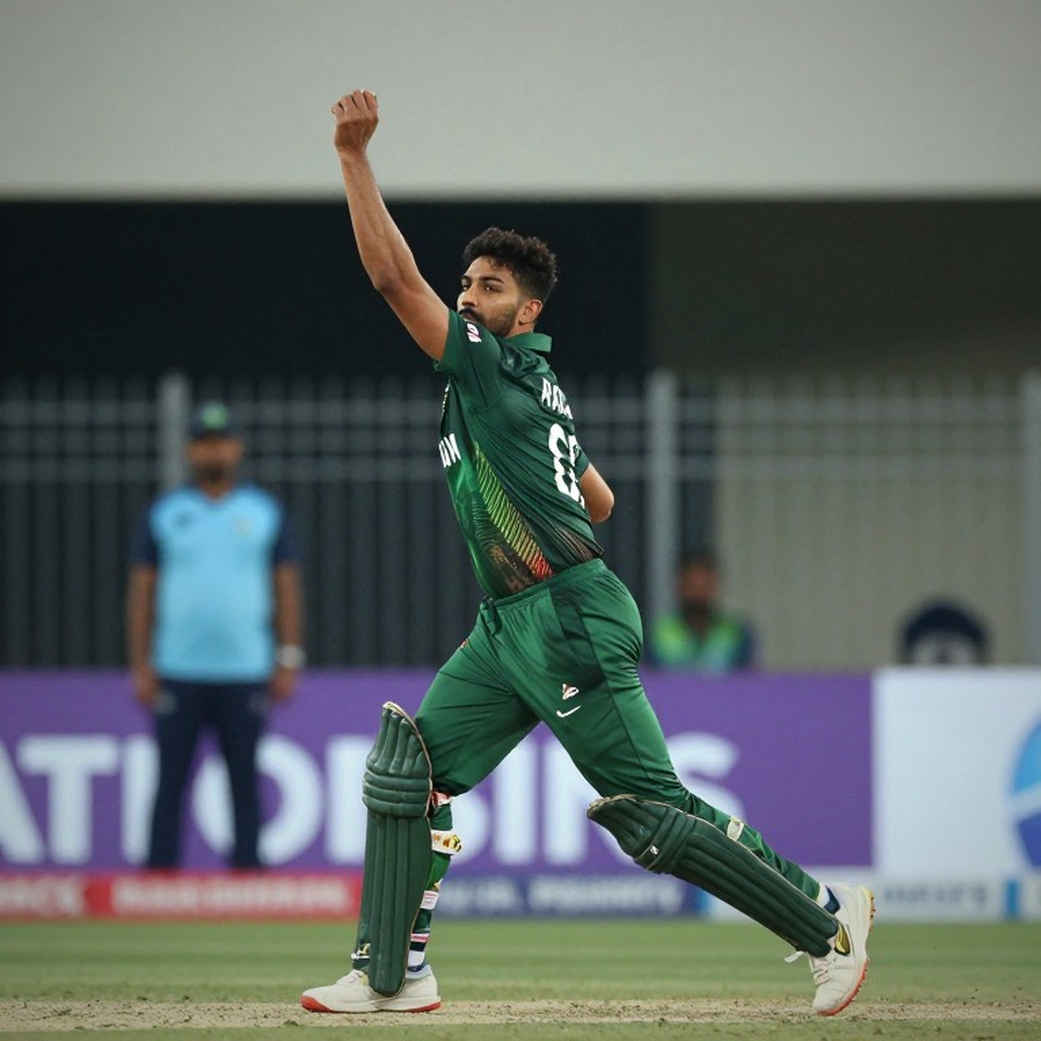
From my years of watching cricket: a Ranji draw often reveals not a team's weakness but its missing 'finishing skill'. UP had 492. A 137-run lead. Six wickets down. And still no win. This is the same story every season: teams pile up big scores then lose the plot against lower-order resistance. For Baroda it was resilience; for UP it was incompleteness.
Could I Be Wrong?
Yes, plenty of room. Judging a team's 'finishing' on one match is a cheap conclusion. Maybe UP bowled brilliant overs in the last session and batters simply survived. Or the pitch had gone slow and spin offered nothing. The scorecard doesn't say. But what is visible: even a bowler with 3/42 in 17 overs couldn't break that last stand. This isn't just 'one bad day'; it's the moment when a captain needed a more attacking field from his most experienced bowler.
The Table Maths and the Road Ahead
UP are second with 18 points from four games; Baroda third with 17; Vidarbha top with 26. The draw doesn't drop UP, but the one-point gap shows how tight the group is. Next up: Madhya Pradesh, defending champions Jammu & Kashmir, and Vidarbha (Feb 1-4, Nagpur). If UP want a win against Vidarbha, scoring 492 won't be enough — they need the habit of taking the last wicket.
The Final Question
Is UP's real problem bowling or strategy? This draw is a warning: control and victory are not the same thing. Next time they score 400+ and reduce the opposition to 100/6, watch — will they let the game drift under the name of a 'draw' again?