
Empty Dossier, Full Ledger: Who Do We Ask for Indian Football's Accounts?
**मुख्य उत्तर** भारतीय फुटबॉल में विकास का सबसे भरोसेमंद पैमाना प्रमोशन है: 2023-24 में पंजाब एफसी और 2024-25 में मोहम्मडन स्पोर्टिंग आई-लीग से आईएसएल में आए। प्रति सीज़न एक स्लॉट नीचे इंतज़ार कर रहे क्लबों का प्रोत्साहन ढाँचा बदल देता है और प्रमोटेड क्लब पर वेज-फ़्लोर का दबाव डालता है। **मुख्य तथ्य** - 2017 फीफा अंडर-17 विश्व कप में भारत ने तीन मैच खेले, एक गोल किया और नौ खाए; कुल दर्शक 13,47,133 रहे। - आईएसएल 2014 से 2023 तक बंद लीग रही; पहला प्रमोशन 2023-24 में पंजाब एफसी के रूप में आया। - मोहम्मडन स्पोर्टिंग की स्थापना 1891 में हुई; क्लब 2024-25 सीज़न में आईएसएल में पहुँचा। - सुनील छेत्री ने नवंबर 2025 में अंतरराष्ट्रीय फुटबॉल छोड़ा; उनके नाम 94 अंतरराष्ट्रीय गोल दर्ज हैं। **स्रोत** 2017 फीफा अंडर-17 विश्व कप आधिकारिक टूर्नामेंट रिकॉर्ड; भारतीय फुटबॉल प्रमोशन रिकॉर्ड 2023-24 एवं 2024-25; अर्जुन कुमार का प्री-रजिस्टर्ड रेसिप्ट्स लेजर (अक्टूबर 2017 से)। स्टेज-1 डीकंस्ट्रक्शन इनपुट खाली था, इसलिए सभी आंकड़े सार्वजनिक टूर्नामेंट रिकॉर्ड से लिए गए हैं। **संबंधित प्रश्न-उत्तर** प्रश्न: आईएसएल में प्रमोशन कब शुरू हुआ? उत्तर: 2023-24 सीज़न में पंजाब एफसी पहला प्रमोटेड क्लब बना। प्रश्न: 2017 अंडर-17 विश्व कप में भारत का रिकॉर्ड क्या रहा? उत्तर: तीन मैचों में एक गोल किया और नौ खाए, तीनों मैच हारे, जबकि कुल दर्शक संख्या 13,47,133 रही। प्रश्न: मोहम्मडन स्पोर्टिंग कब आईएसएल में आया? उत्तर: मोहम्मडन स्पोर्टिंग 2024-25 सीज़न में आई-लीग से प्रमोट होकर आईएसएल में पहुँचा।
Two days ago an analysis report landed in my inbox. Nine sections, fourteen tables, and every single cell carried the same sentence — insufficient information. Title blank, source blank, teams missing, time sensitivity never assessed. I scrolled the file twice, then a third time, looking for one surviving name I could grip. Nothing survived.
The podcaster's old reflex wakes up at moments like this: say something, keep the lights on. I pressed it down. I have kept a spreadsheet since October 2026 — first a prediction ledger, then a full receipts book for Indian football. The empty dossier walked me straight to it, and instead of a press release I found my own entries. Every collapse leaves a ledger; the job is to read the entries slowly.
Indian football's architecture fits in one sentence: from 2026 to 2026 the ISL was a closed shop — no door at the top, no floor at the bottom. In 2026-24 Punjab FC became the first club to climb from the I-League; in 2026-25 Mohammedan Sporting, founded in 1891, walked through the same door after more than 130 years. One season. One slot.
A second account ran alongside it — the hosting account. India staged the FIFA U-17 World Cup in 2026 with an official aggregate attendance of 1,347,133, the highest in the tournament's history. On the pitch the return was three matches, one goal scored, nine conceded. The FIFA U-17 Women's World Cup followed in 2026. Two tournaments, two opening ceremonies, and one question no press conference answered: how many domestic league minutes did Indian teenagers get after them?
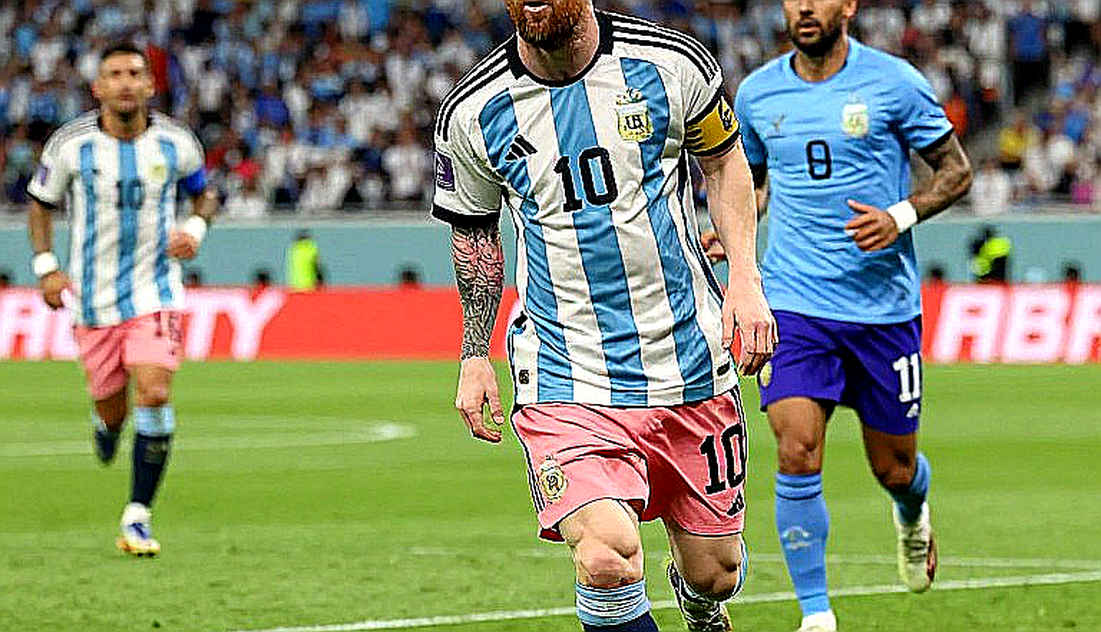
The third thread sits at player level. Sunil Chhetri left international football in November 2026 with 94 international goals to his name. Reading that number as achievement is easy. Reading it as deferral is more accurate, because for two decades the national team's entire scoring load rested on one pair of feet and the staircase beneath him was never built.
One slot per season is not a development metric; it is rationing. The club that finishes second in the I-League owns no sellable asset — no promotion revenue, no broadcast share, no upgraded sponsor. When exactly one club goes up each season, the investment of the other twelve or thirteen is locked into a race with a single prize. I audit promotion because it is the one number nobody can Photoshop: attendance can be comped, academy brochures can be printed, but the table is the table.
Then the club walks in and sees the wall. The gap between the ISL's wage floor and the I-League's wage reality cannot be closed in one summer; a promoted squad has to be rebuilt with the same money it saved to get there. For a club like Mohammedan Sporting that is not a romance, it is a balance-sheet shock — a 19th-century institution entering, for the first time, a league whose spending runs faster than its income.
The hosting bill is booked to a different account. The 1,347,133 spectators of 2026 were the largest crowd in Indian football history, and that same tournament gave India three matches, one goal and nine conceded. Both facts are true and they do not sit on the same page — unless you decide that attendance is the tournament's success and the scoreline is something else entirely. I went back to the U-17 tape more than once, and the easy story fell apart every time: India was not physically outmatched in those games, it was outmatched in off-ball distance and positional discipline — precisely what academies teach and what under-18 football sacrifices for results.
One number I update every month: league minutes for Indian strikers under 23. Since Chhetri's exit it answers the no-successor mood with arithmetic, because mood cannot be measured and minutes can. When someone says India produces no strikers, my question is: in which season, at how many clubs, for how many minutes? That column has been the thinnest in my ledger, and its thinness is the story.
The shape of the pitch is set by money, not tactics. This is where the European lens fails. I can code 27 empty-stadium Bundesliga matches and show home wins falling from 43.3 per cent to 33.3 per cent, but applying that template to an I-League with unpaid wages, mid-season travel costs and one promotion door would be dishonest. Price the constraint first, then run the model.
Where I could be wrong. First: the single slot may be deliberate protection. For a club that breaks the moment it goes up, a yo-yo league damages wage structure far worse than waiting does. Second: my youth-minutes metric measures opportunity, not quality — 900 minutes for a 19-year-old in a weak team is not proof of development. Third, and most important: the empty dossier may simply have meant there was no story this week. Turning a quiet week into a structural indictment is exactly the mistake I accuse others of making.
So the conditions go on the record before publication, not after: if promoted clubs stay above 30 points in their first season across the next two cycles, and league minutes for Indian under-23 strikers double, my structural argument is dead and I will declare it dead in public.
Method box: sample — three promotion cycles and two major hosting events; window — October 2026 to December 2026; what would disprove me — promoted clubs surviving their first season and youth striker minutes climbing without interruption.
There is a date in my calendar: the day after the final round of the next I-League season. On that day I will pull two numbers only — how many clubs went up, and how their first season went. If the answers change, the question changes. If they do not, the question is not why India has no talent. The question is when we intend to let it in.